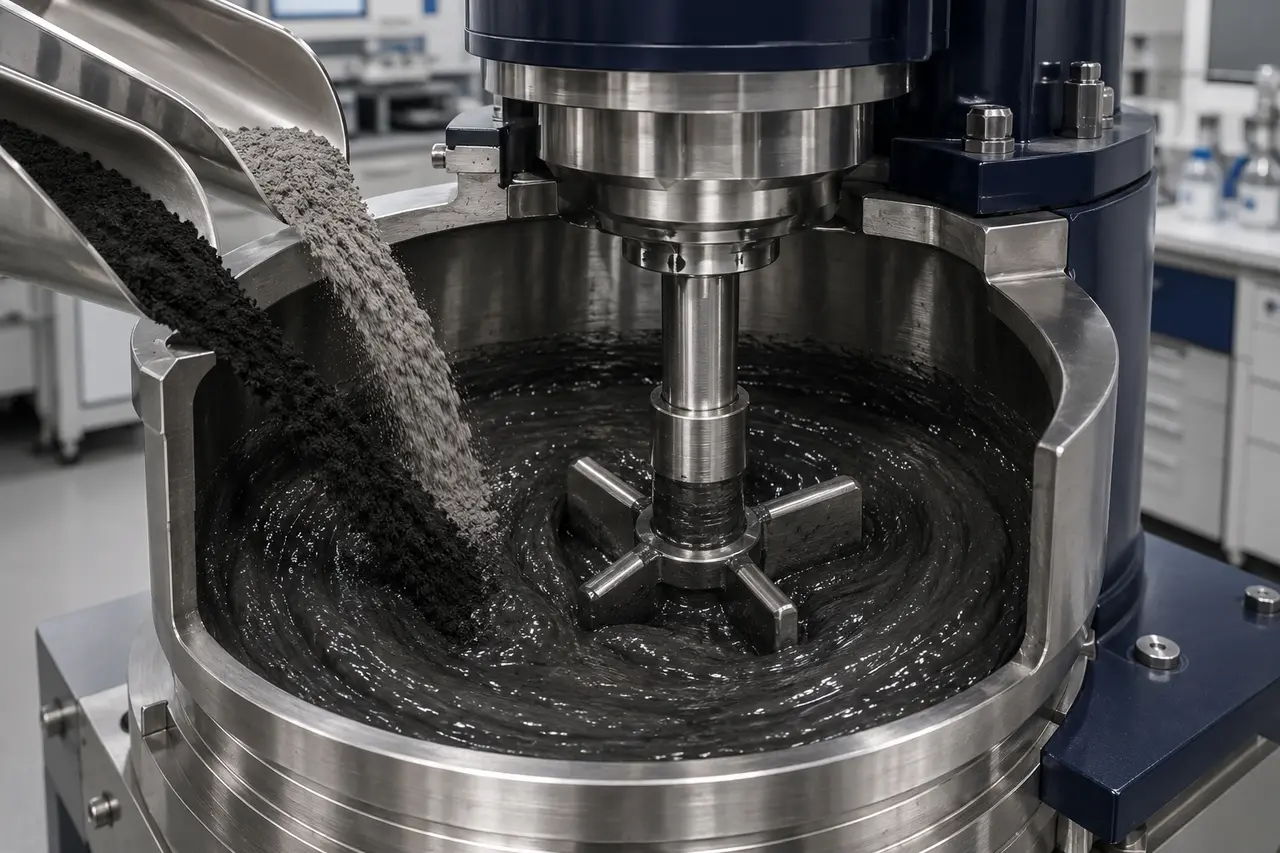
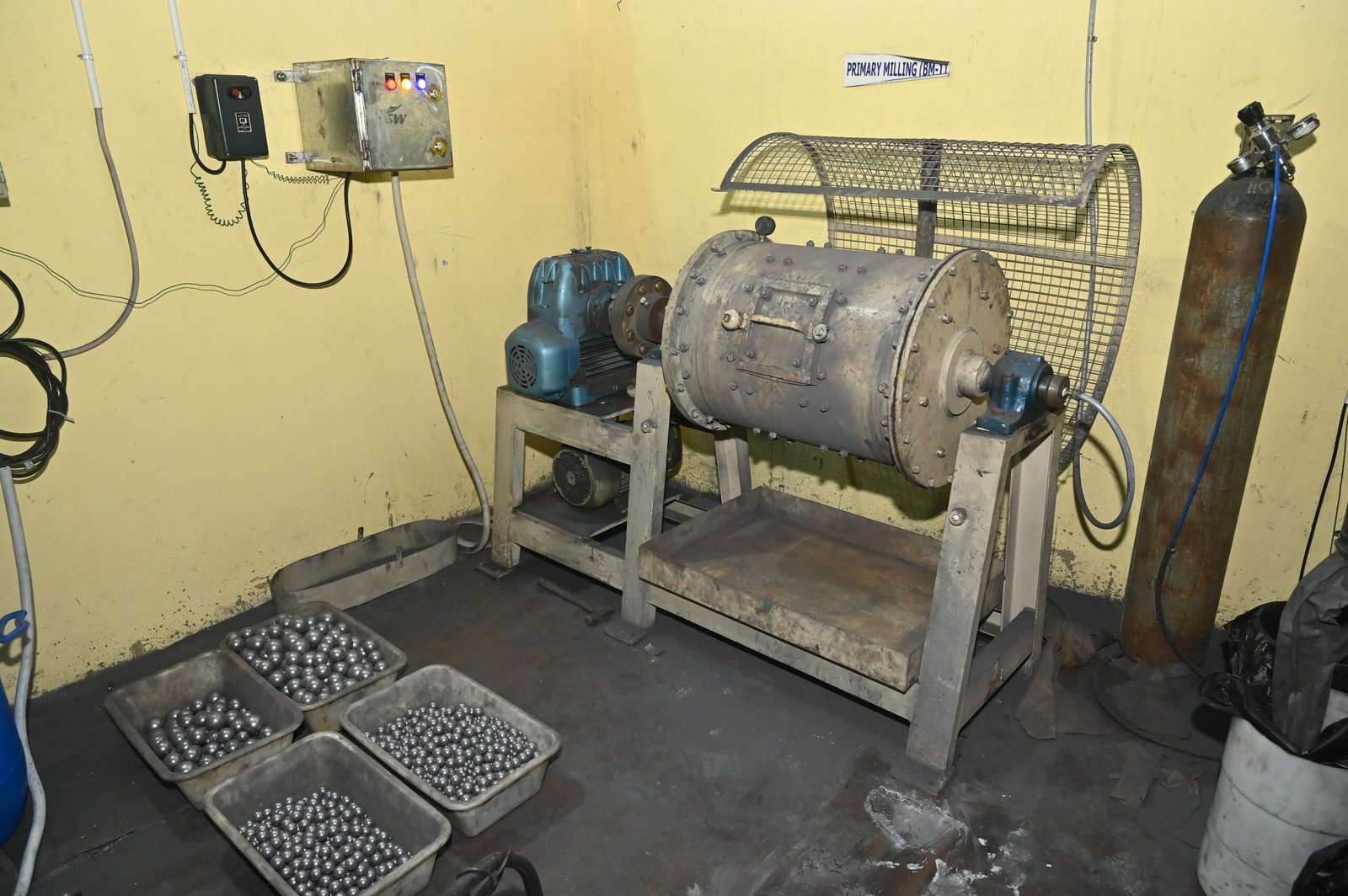
 01
01Silicon Alloy Feedstock
Accessible silicon-alloy input selected for scalable processing.
Flagship Si–C anode material
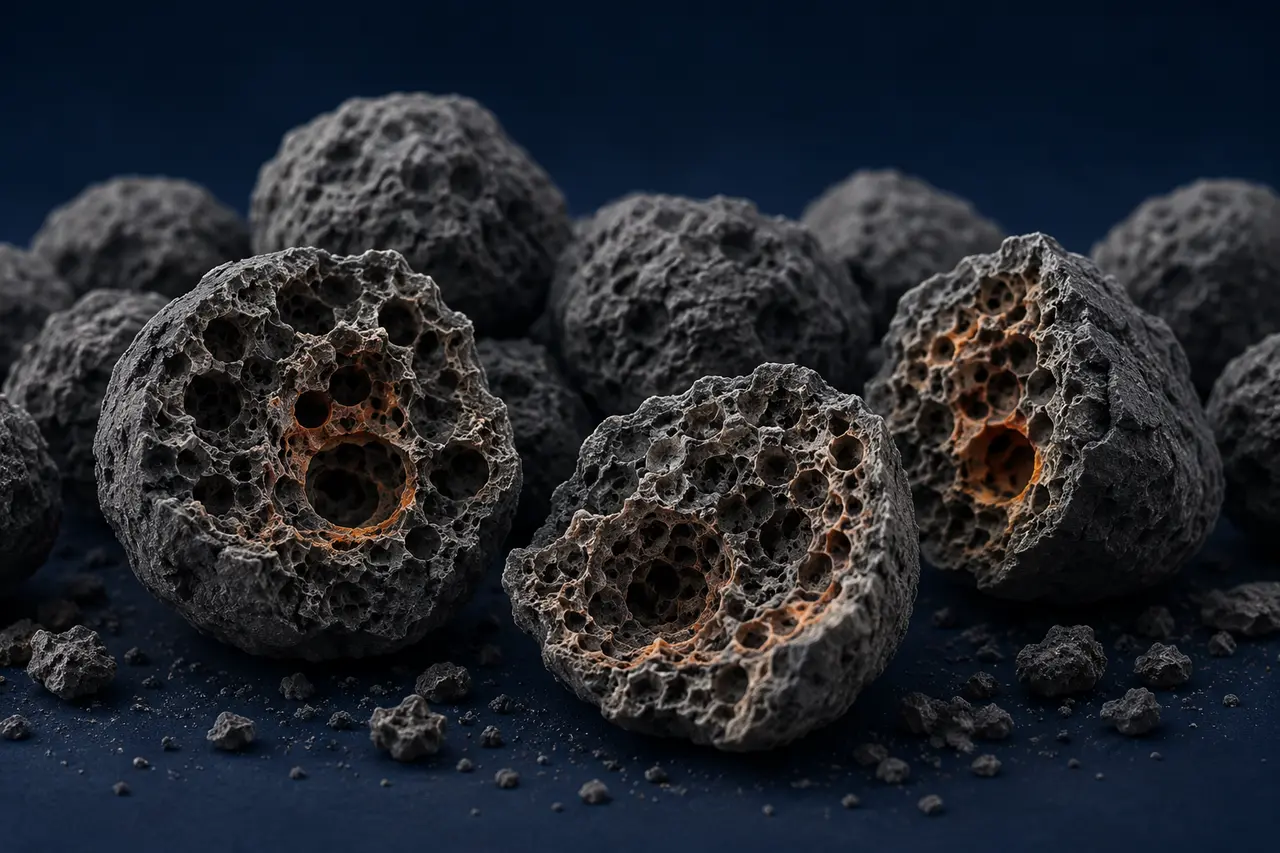
Porous silicon–carbon anode powder
A scalable Si–C composite engineered to increase anode capacity, manage silicon expansion and integrate with existing lithium-ion cell manufacturing.
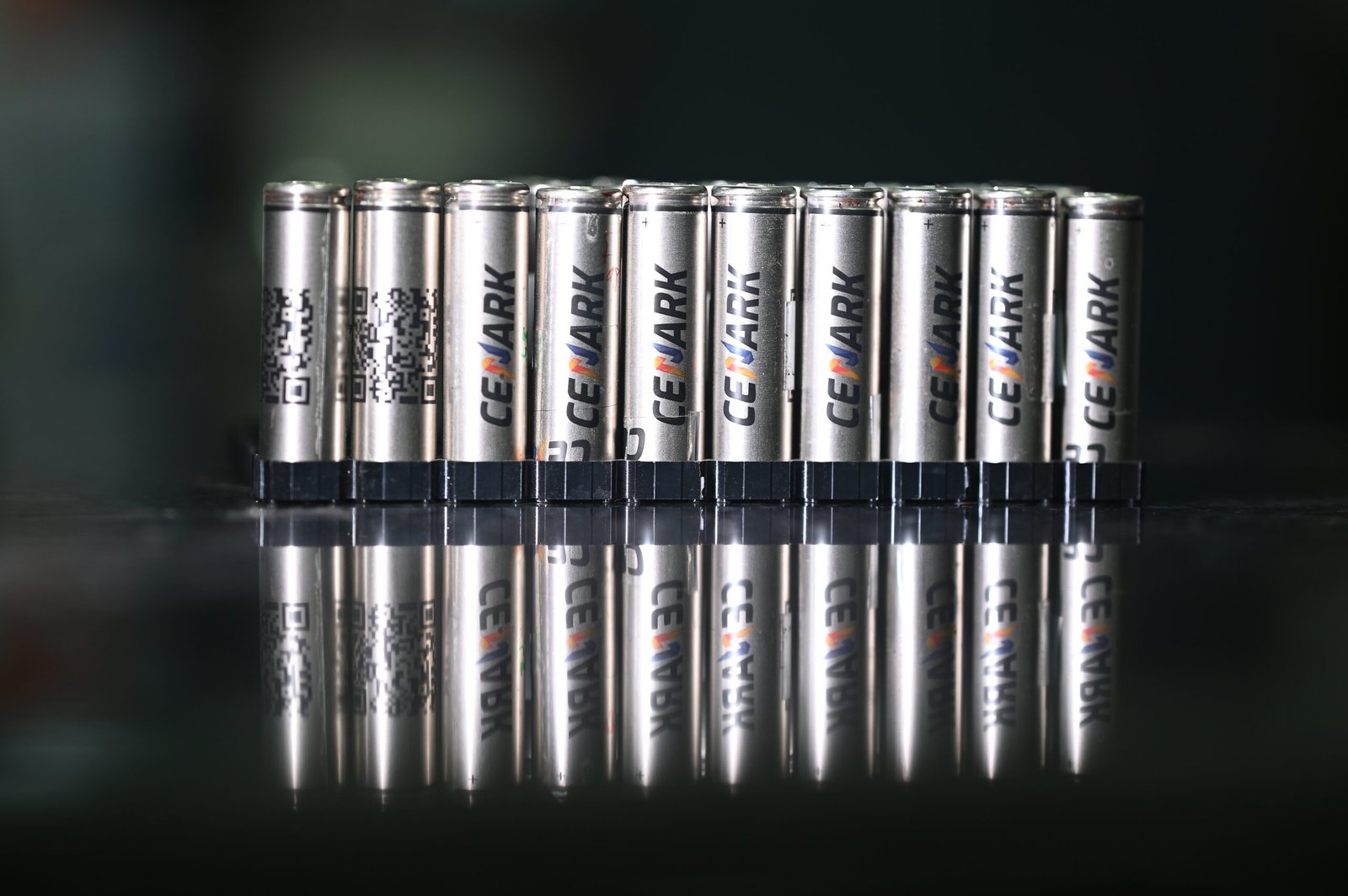 Made in India
Meet PoroSil™
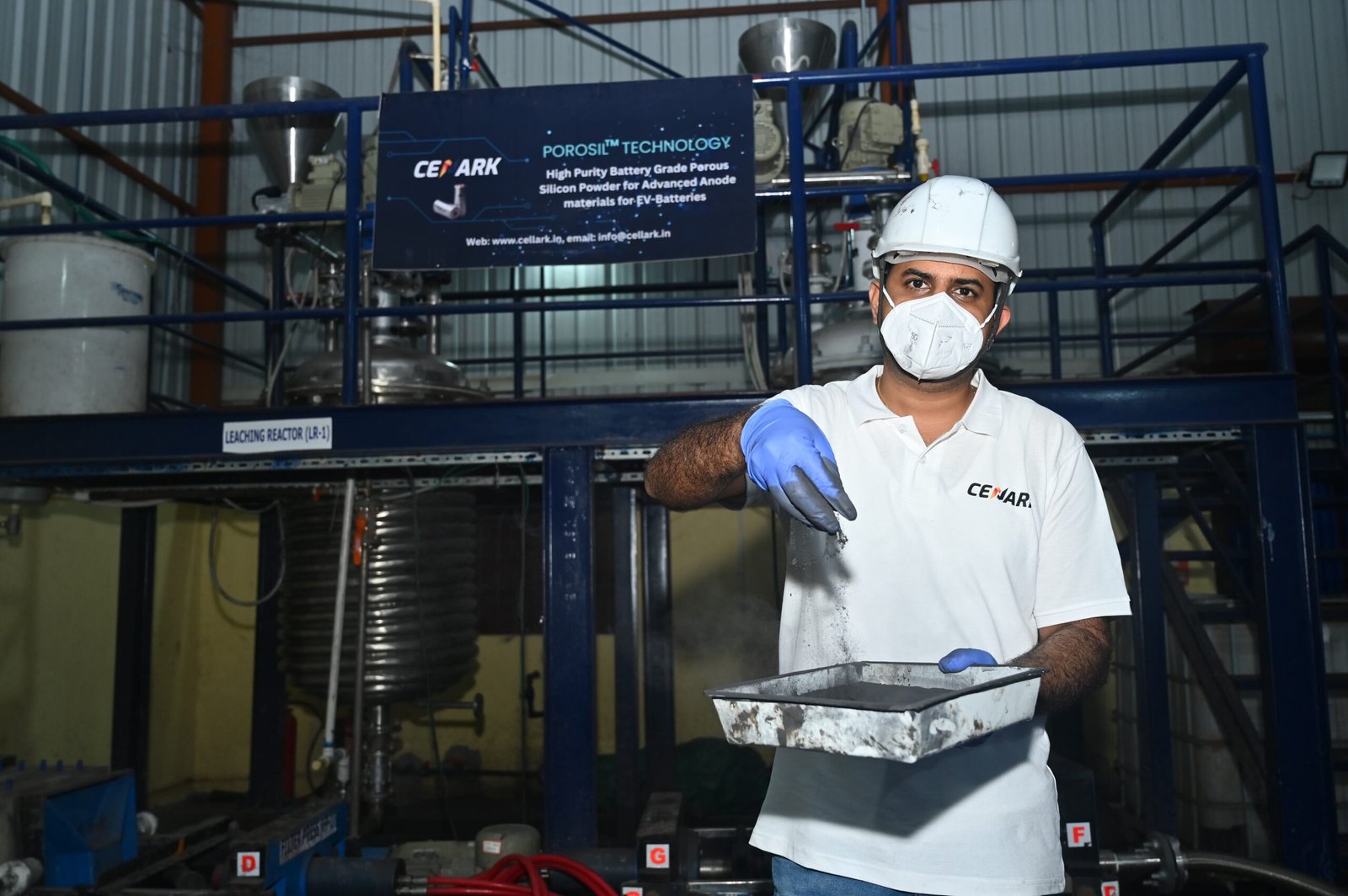
PoroSil™ helps cell developers move beyond graphite without inheriting untreated silicon’s mechanical instability. Developed from a decade of research at IIT Bhubaneswar and produced at our pilot plant in Odisha.
Engineered advantages
Three design choices make PoroSil™ practical for real cells — not just laboratory capacity.
Porous, micron-scale silicon provides internal space to accommodate volume change during lithiation — so particles don’t crack.
A carbon-coated composite architecture maintains electrical pathways between active particles, cycle after cycle.
Si–C powder blends with graphite through conventional electrode-slurry preparation — no new production line needed.
Reported performance
Even a modest 10% PoroSil™ blend delivers a measurable gain — without relying on a high silicon loading.
Illustrative calculation — not cell-test data. Assumes 10 wt% PoroSil™ at 1,350 mAh/g and $25/kg; graphite at 350 mAh/g and $8/kg; NMC cathode at 200 mAh/g and $25/kg; 3.7 V nominal voltage and 1.1 N/P ratio. Actual results depend on cell chemistry, design and operating conditions.
Technical snapshot
Start with the public product snapshot, then work directly with our team on grade selection, electrode recipes and validation conditions.
How it’s made
A proprietary four-step route forms, stabilises and integrates porous silicon with carbon — built to scale in our Odisha pilot plant.
01Accessible silicon-alloy input selected for scalable processing.
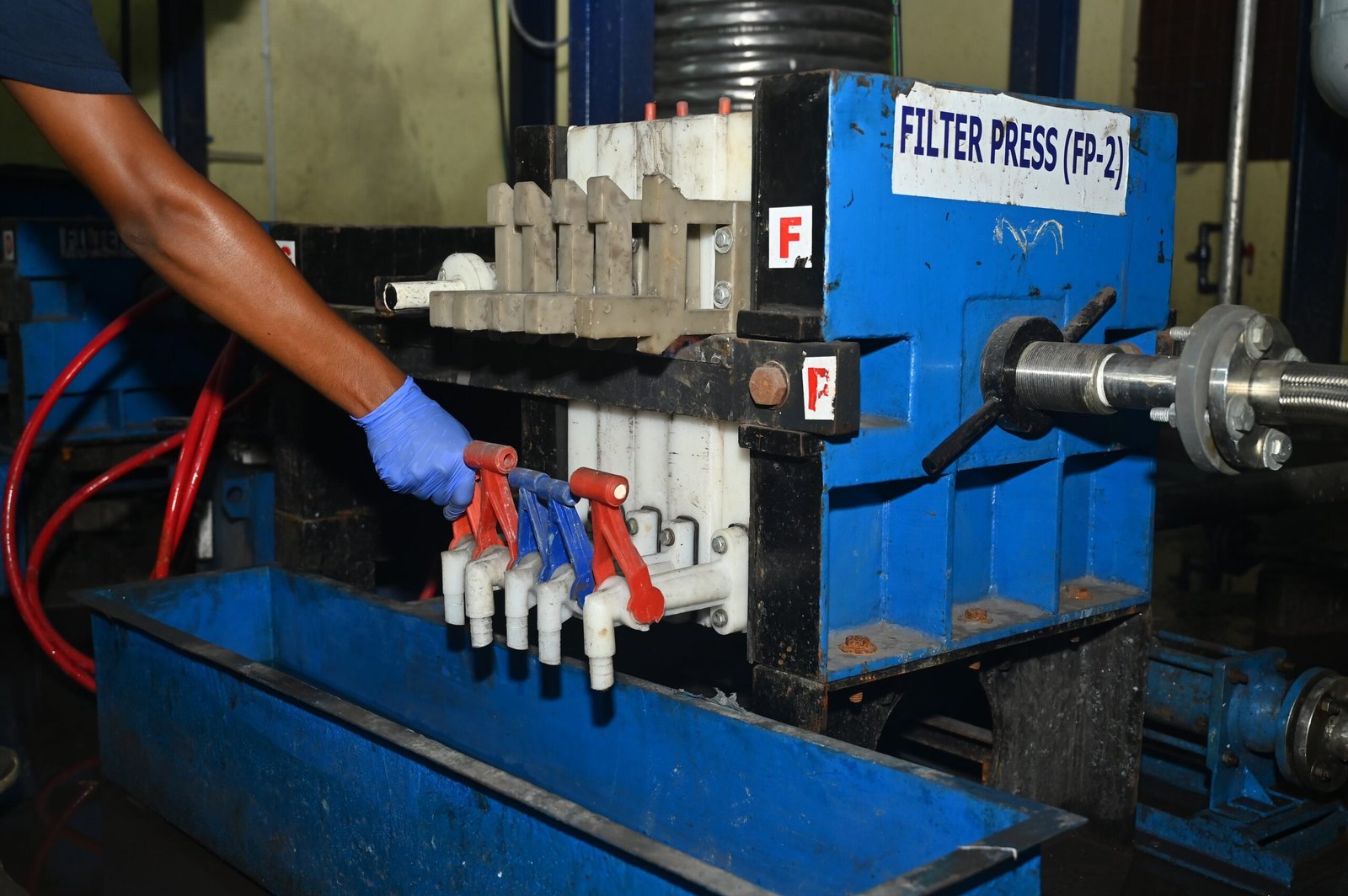 02
02Controlled removal forms the porous silicon architecture.
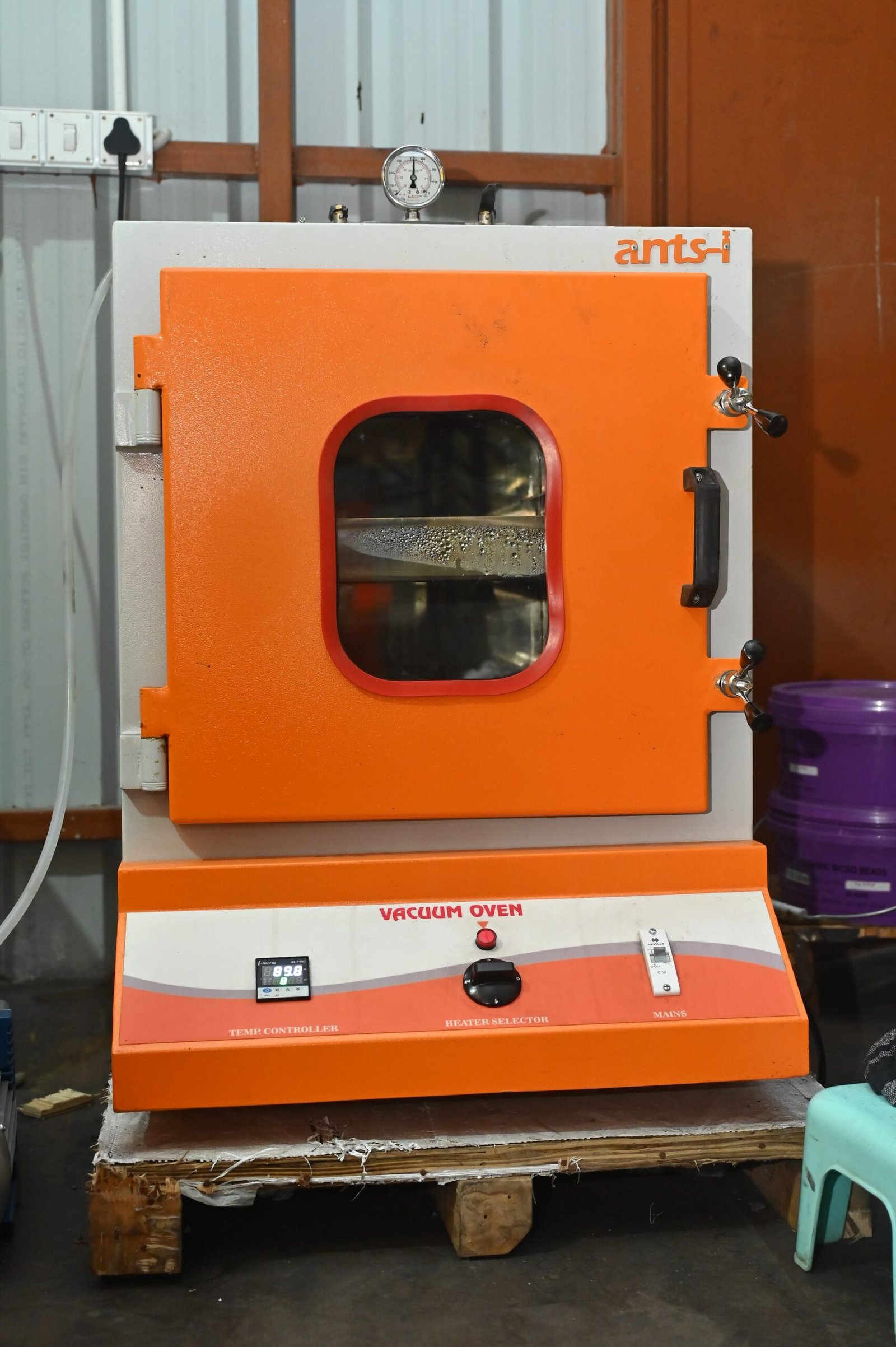 03
03Proprietary conditioning prepares silicon for battery use.
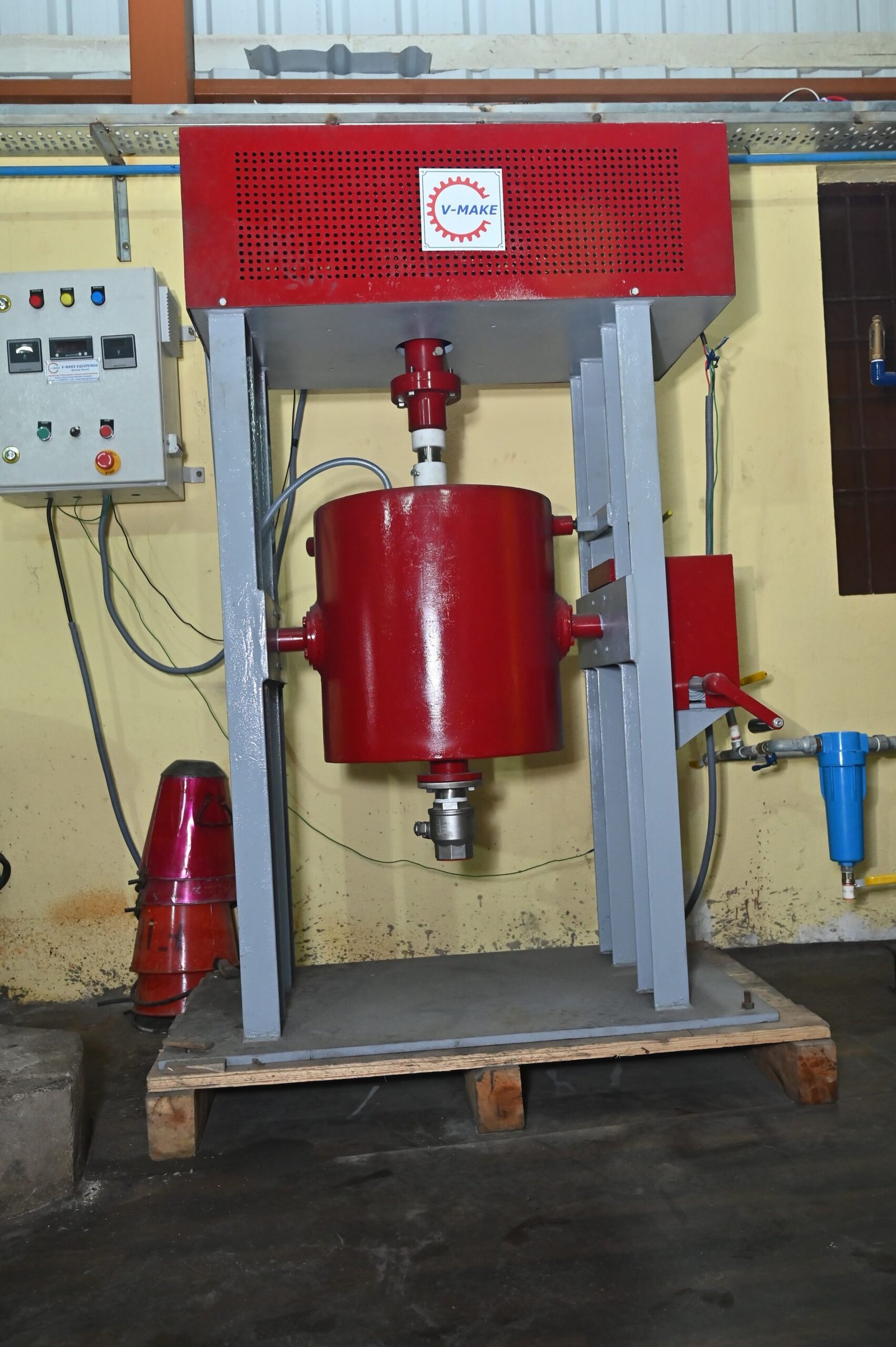 04
04Composite formation supports conductivity and cycling.
Where PoroSil™ fits
Wherever battery size, weight and runtime define performance, PoroSil™ helps do more with less.